Museo Arqueológico Camilo Visedo Moltó
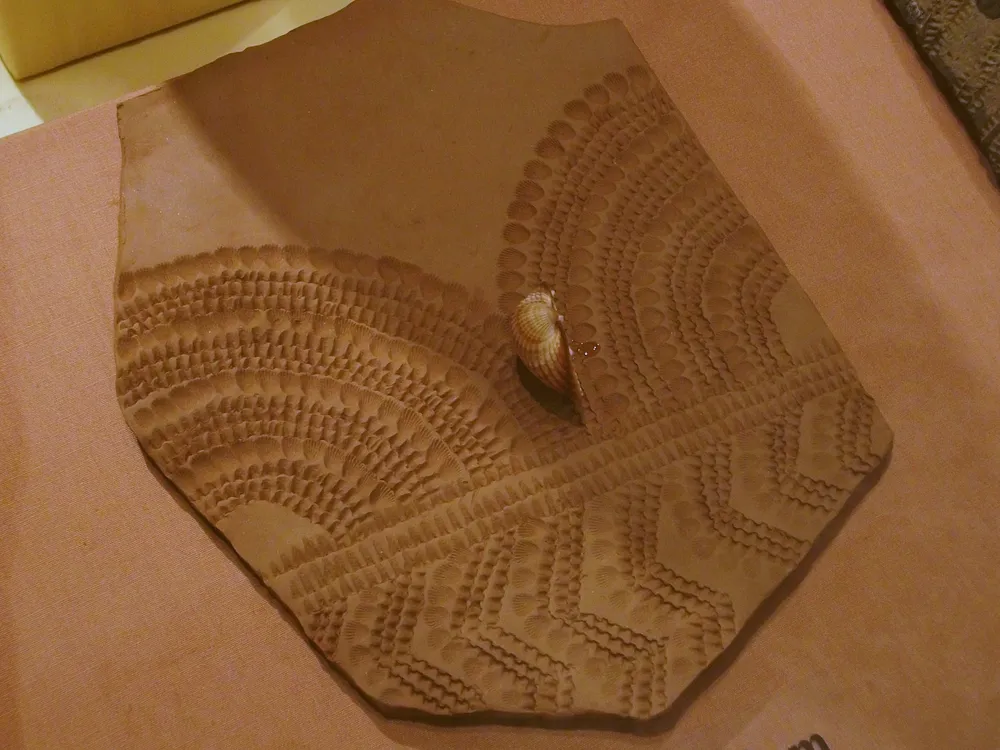
Located in a 16th-century Renaissance building, the museum houses collections ranging from Neolithic ceramics to Arabic lead inscriptions and medieval artefacts. Founded in 1945, its Iberian and prehistoric pieces were declared Monumento Artístico Nacional; paleontological fossils complete its comprehensive regional history.
The Camilo Visedo Moltó Municipal Archaeological Museum occupies a Renaissance-style building, Alcoy's former town hall, and holds one of the most complete archaeological collections in the Comunitat Valenciana. It traces back to 1945, when an art museum was created in the city; in 1958 it became a municipal archaeological museum thanks to the collection left by Camilo Visedo Moltó, a geologist and archaeologist who spent more than forty years building it up.
From prehistory to the Middle Ages
The museum's holdings cover sites such as El Salt, the Cova de l'Or and the Cova de la Sarsa, with Palaeolithic and Neolithic material, alongside Iberian-era pieces from El Puig d'Alcoi and La Serreta, and medieval remains from El Castellar d'Alcoi. Among the standout items in the Iberian collection is a lead sheet inscribed in the Iberian language using a Greco-Iberian alphabet, found at La Serreta — one of the longest and most complete texts known in that script. The museum also keeps a palaeontological collection of regional fossils, also assembled by Visedo Moltó.
In 1962, both the collection and the building housing it were declared a Historic-Artistic Monument, recognising the value of the two together.
The museum stands in the centre of Alcoy, near the Puente de Sant Jordi and the Casa de la Cultura, and makes a good starting point before heading up to natural areas such as the Font Roja Natural Park.
Frequently asked questions
Is there an entry fee?
Yes, visiting the museum is ticketed.
What's the standout piece?
A lead sheet inscribed in Iberian script using a Greco-Iberian alphabet, found at La Serreta — one of the longest surviving texts in that language.
What periods does the collection cover?
From the Palaeolithic and Neolithic through the Iberian era to the Middle Ages, plus a palaeontological collection.
Comments
Sign in with Google to comment and rate
Be the first to comment.