What to see in Elx
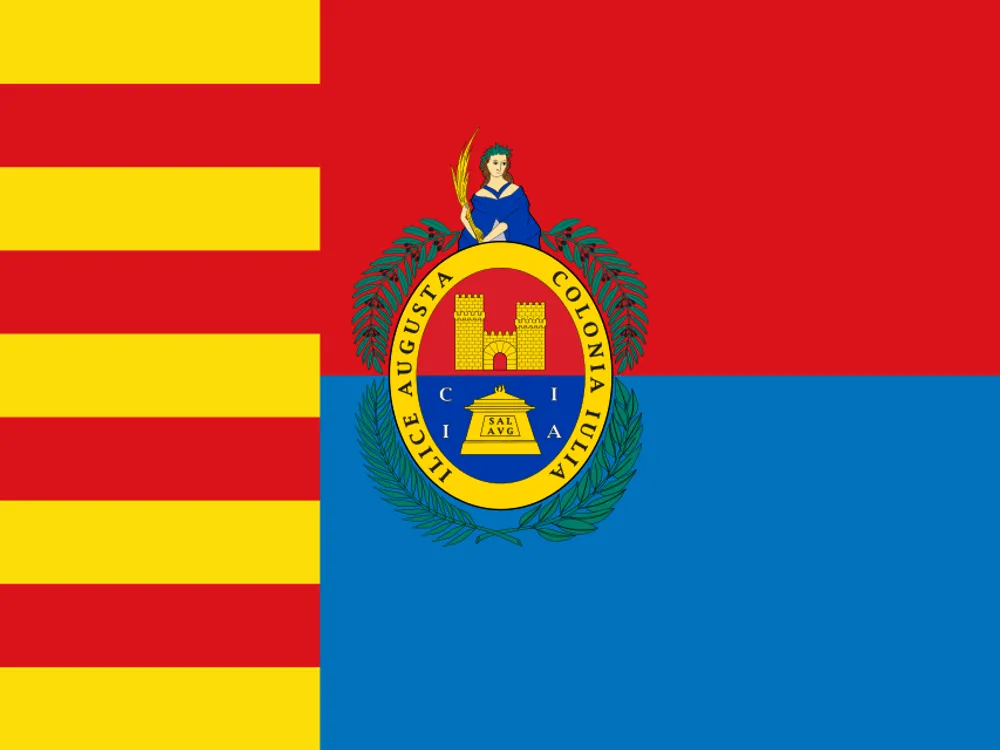
Elche is the third most populous city in the Comunitat Valenciana and the second largest in Alicante province, its historic centre built around two features that have shaped its identity for centuries: the Palmeral and the Vinalopó river. The city grew on the site of the Roman Ilici, founded around 26 BC as a colony after the conquest of an earlier Iberian settlement, Helike, at what is now the archaeological site of La Alcudia. The municipality covers more than 326 square kilometres and includes around 12 kilometres of coastline, with 9 kilometres of beaches on the Mediterranean.
The Lady and the Mystery Play
That same site yielded the Dama de Elche in 1897, a limestone bust dated to the 5th-4th centuries BC now held at the Museo Arqueológico Nacional in Madrid; a replica with its original polychromy, produced from a digital scan of the piece, can be seen at the MAHE, the city's archaeology museum. The other great marker of local identity is the Misteri d'Elx, a sung sacred drama performed every August inside the Basílica de Santa María, recognised by UNESCO in 2001 as a Masterpiece of the Oral and Intangible Heritage of Humanity — the first Spanish festival to receive that distinction. The performance is sung throughout, without spoken dialogue, and has been passed down within local families from one generation to the next.
The Palmeral and the city today
The Palmeral de Elche, with an irrigation system inherited from the Andalusi period, was declared a World Heritage Site in 2000 for showing how agricultural techniques passed from East to West; within its historic orchards, the Huerto del Cura holds centuries-old specimens, including a palm with several trunks growing from a single root. Away from the centre, the Museo de Arte Contemporáneo adds a more recent layer to the city's cultural offer. Elche's old town also preserves stretches of its Islamic-era wall alongside later Christian and industrial-era buildings.
Elche's economy has long been tied to footwear: the city and its industrial area account for a very significant share of Spain's shoe production, and trade fairs such as Expocalzado keep that tradition central to the local economy. With more than 245,000 residents and a metropolitan area approaching 765,000, Elche combines that industrial activity with a historic centre still organised around the Palmeral and the Misteri. The Mediterranean climate, with mild winters and hot, dry summers, suits the date palm that gives the city's landscape its name.
🚆 How to get there from Alicante
Elche lies just under 20 kilometres from Alicante, the shortest trip on this list. The C1 commuter rail line connects the two cities in a little over twenty minutes, with a stop in central Elche and another next to Alicante-Elche airport, which sits between the two towns. By car, the A-7 dual carriageway or the CV-849 road cover the distance in under half an hour outside peak traffic. Frequent inter-urban buses also run between the two cities, a common option for anyone who won't need a car once in Elche. Within the city, the historic centre and the area around the Palmeral are easy to cover on foot or by bicycle.
Compare all towns by transport →
-
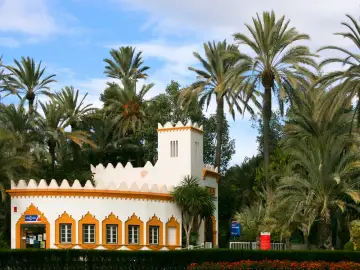 Garden · FREEPalmeral de ElcheElx — Baix Vinalopó (Alacant)
This system of 200,000 date palms, planted since Roman times, is a UNESCO World Heritage Site.
-
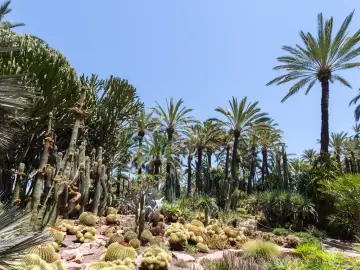 GardenHuerto del CuraElx — Baix Vinalopó (Alacant)
Historic garden with palm specimens from around the world. Notable is the Imperial Palm, 150 years old, from whose trunk eight symmetrical…
-
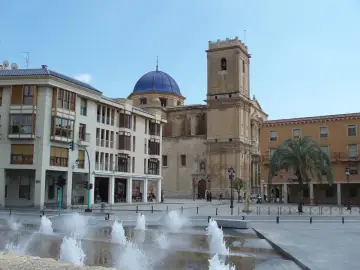 Church · FREEBasílica de Santa MaríaElx — Baix Vinalopó (Alacant)
The 17th‑century temple, built on the former mosque site, mixes Baroque and Neoclassical styles.
-
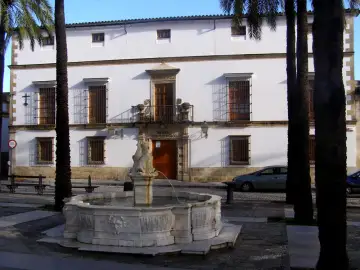 MuseumMuseo Arqueológico e Histórico de ElcheElx — Baix Vinalopó (Alacant)
A collection of artifacts spanning from the Neolithic to Roman times.
-
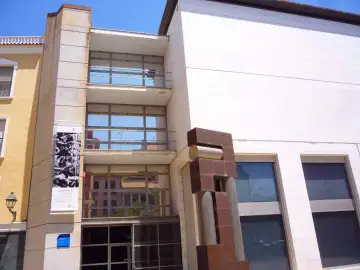 MuseumMuseo de Arte Contemporáneo de ElcheElx — Baix Vinalopó (Alacant)
Gallery that brings together works by Catalan and Valencian artists from 1939 to the present.
🏖️ Beaches
🎟️ Upcoming events in Elx
-
 Presentation of the novel 'Fulgencio Malayerba'L’ESCORXADORFREE
-
 Infinite Inspiration: Orquesta Sinfónica Ciudad de ElcheGran TeatroFREE
-
 StelliumL’ESCORXADORFREE
-
 With Dad, with MumL’ESCORXADORFREE
-
 RUCS: The Warlock's CurseSala La TramoiaFREE
-
 Rocky Horror Picture ShowL'EscorxadorFREE
-
 Con Viva Voce: The Story of Ivan and the WolfSala La TramoiaFREE
-
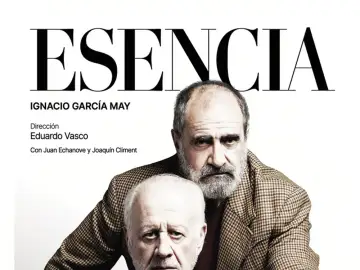 Esencia. With Juan Echanove and Joaquín ClimentGran TeatroFREE
-
 Vida-Espera-Ausencia-Tiempo-MuerteL’ESCORXADORFREE
-
 Madame Butterfly, by G. PuccinGran TeatroFREE
-
 Prensa Luego ExistaL’ESCORXADORFREE
-
 Let me tell you a story. Oral storytelling workshopL’ESCORXADORFREE
-
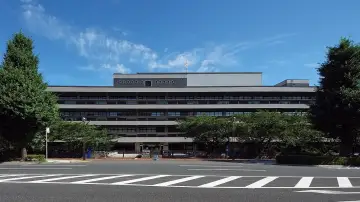 17:00NDL 4 – Noche de Leyendas: Kiko Martínez vs. Julián LondoñoSara Marín y María Díez Inclusive Pavilion
-
 Dani Fez. We're NutsGran TeatroFREE
-
 Opening of the 14th Elche International Fantastic Film Festival - FANTAELXL’ESCORXADORFREE
-
 Parallel Madness by Gabriela García and Paco MirGran TeatroFREE
-
 Tulsa in concertL’ESCORXADORFREE
-
 El Mago Invisible. Nothing is as it seemsGran TeatroFREE
-
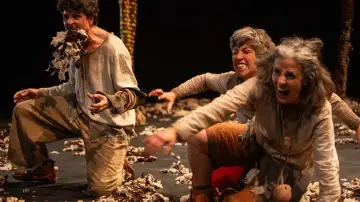 In a Corner of the WorldSala La TramoiaFREE
-
 The Best Tribute to Sabina. MALAS COMPAÑÍASGran TeatroFREE
-
 James. Rhodes ManiaGran TeatroFREE
-
 Danzad, malditosL’ESCORXADORFREE
-
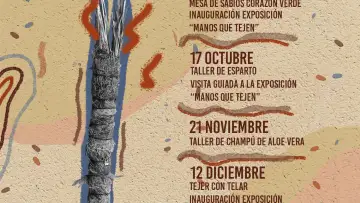 Aloe vera shampoo workshopHort dels PontosFREE
-
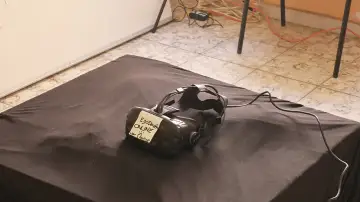 Sensory labLa Tramoia HallFREE
-
 Maléfiga. BOMBA TEATROGran TeatroFREE
-
 The Cinema of Sam Peckinpah. Film WorkshopL’ESCORXADORFREE
-
 FugaL’ESCORXADORFREE
-
 Julio Iglesias Jr. ExperienceGran TeatroFREE
-
 Bestseller. The Play Lorca Never WroteGran TeatroFREE
-
 A Doll's HouseL’ESCORXADORFREE
-
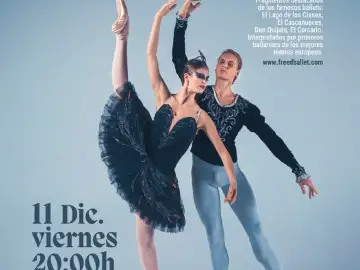 Stars Gala. International Ballet StarsGran TeatroFREE
-
 The Cinema of David Lynch. Film WorkshopL’ESCORXADORFREE
-
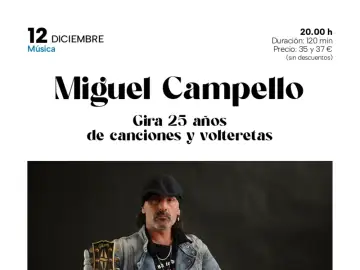 Miguel Campello. 25-Year Tour of Songs and SomersaultsGran TeatroFREE
-
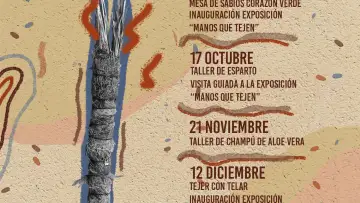 Loom weaving and opening of “III Certamen de Pintura Rápida Tork-Festa del Palmerar”Hort dels PontosFREE
-
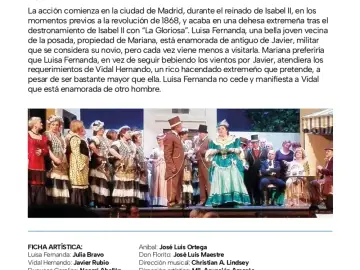 Luisa FernandaGran TeatroFREE
-
 Little Red Riding Hood, or Who Is That Cake ForSala La TramoiaFREE
-
 Pajamas for SixGran TeatroFREE
-
 Toldos y Verdes in concertL’ESCORXADORFREE
-
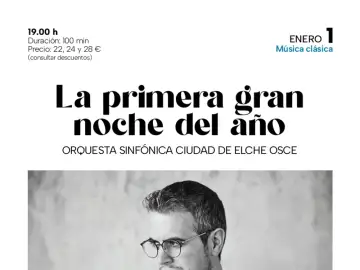 First Great Night of the Year: Orquesta Sinfónica Ciudad de Elche OSCEGran TeatroFREE
-
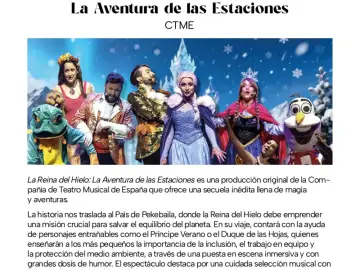 The Ice Queen: The Adventure of the SeasonsGran TeatroFREE
-
 Maestros de la magiaGran TeatroFREE
-
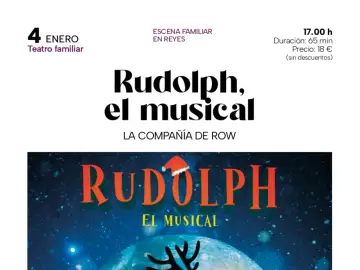 Rudolph, the MusicalGran TeatroFREE
-
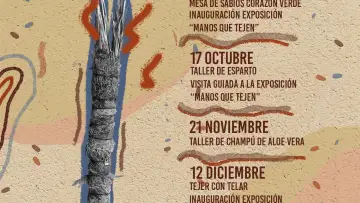 Torch workshop and traditional gamesHort dels PontosFREE
-
 bROTHERS iN bAND. The Very Best of dIRE sTRAITSGran TeatroFREE
-
 Winter circusL’ESCORXADORFREE
-
 DINOCOLa Tramoia HallFREE
-
 Canadá. PRODUCCIONES 099Gran TeatroFREE
-
 Art LabSala La TramoiaFREE
-
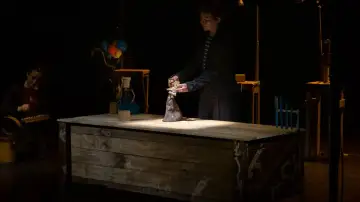 Story of an Abandoned Doll (Alfonso Sastre)La Tramoia HallFREE
-
 53 Sundays by Cesc GayGran TeatroFREE
-
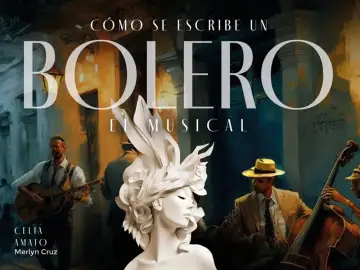 How to Write a Bolero, the MusicalGran TeatroFREE
-
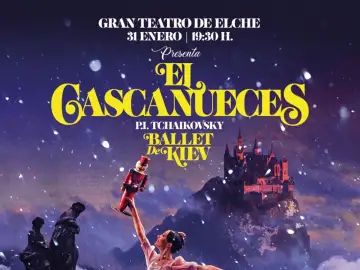 El Cascanueces, de Viktor IshchukGran TeatroFREE
-
 EKHOSala La Tramoia
-
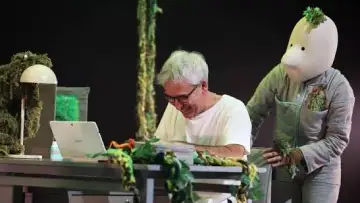 KIMU, everyone's homeLa Tramoia HallFREE
-
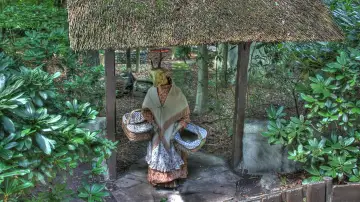 The Seven Young GoatsSala La TramoiaFREE
-
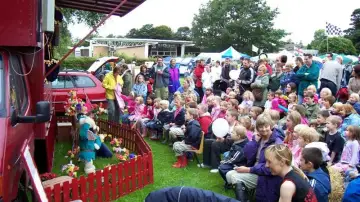 Colour LabSala La TramoiaFREE
-
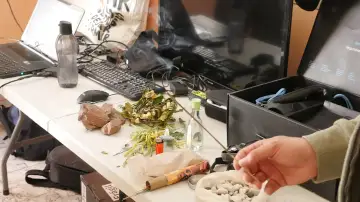 Sensory LabSala La TramoiaFREE
-
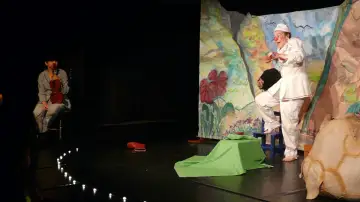 With All My HeartSala La TramoiaFREE
Frequently asked questions
Can you visit Elche in a day from Alicante?
Yes, the short distance allows a full day for the Palmeral, the historic centre and a museum, with time to return to Alicante in the evening without staying overnight.
Is it free to walk through the Palmeral?
The palm-lined streets and squares in the city centre are open to everyone; specific historic orchards, such as the Huerto del Cura, charge an entrance fee.
When is the Misteri d'Elx performed?
It is performed every year in mid-August, around the feast of the Assumption, with two acts staged on different days inside the basilica.