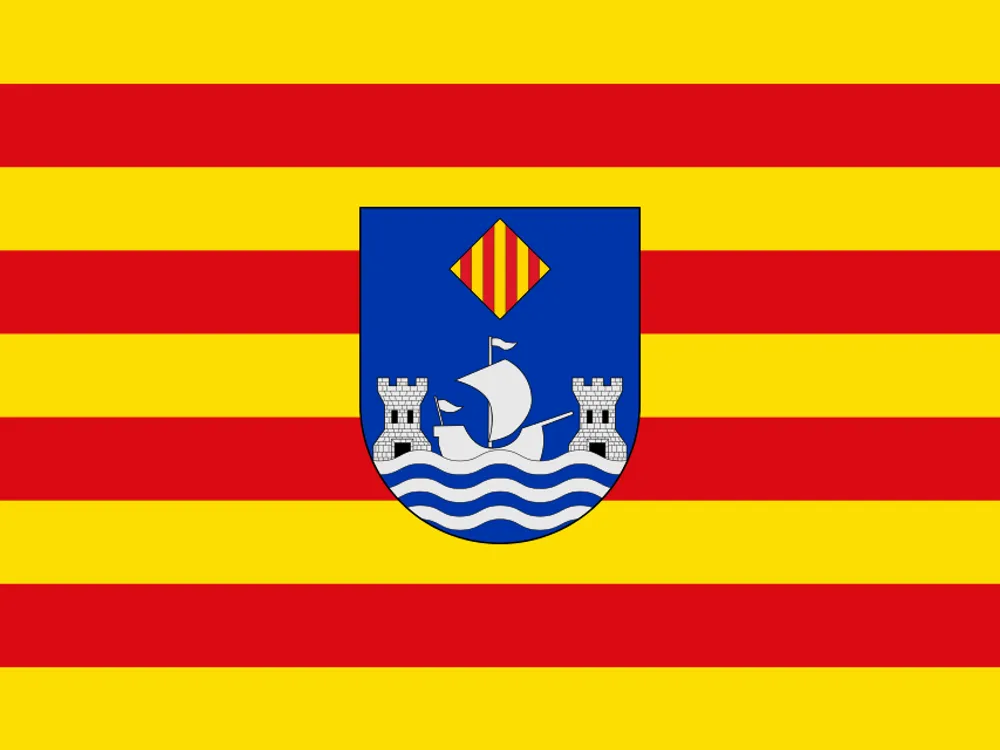
What to see in La Vila Joiosa
Villajoyosa is recognisable from a distance by the brightly coloured house fronts lined up facing the harbour and the mouth of the Amadorio river, inside the walled old town. According to local tradition, fishermen painted their houses in the same colours used on their boats so they could pick them out from the sea on the way back from fishing; over time, that practical habit became the town's most photographed feature. Before the medieval foundation, some historians place the Roman city of Alonis at this same site, though its exact location has not been confirmed with certainty.
A town founded to defend the coast
The present-day settlement was founded in 1300 by Bernardo de Sarriá, admiral to James II of Aragón, specifically to strengthen the coastal defences. It gained royal town status in 1443, and during the 16th century Felipe II ordered new walls built to withstand Barbary raids, which were no abstract threat: in 1538 a large-scale pirate assault was fought off by the residents themselves, an episode the town still commemorates every year in its late-July Moros y Cristianos festival, declared of International Tourist Interest in 2003. Part of that defensive system survives in the Torre de Sant Josep and in the layout of the old town itself.
Chocolate and heritage
Since 1881, Villajoyosa has been home to the Chocolates Valor factory, one of Spain's oldest chocolate makers still operating; the Museo del Chocolate Valor, next to the factory, walks visitors through the process from cocoa bean to finished bar. That combination of a chocolate industry and beach tourism is unusual on the Mediterranean coast and is part of what sets the town apart. The Iglesia de Nuestra Señora de la Asunción, built against the old walls, and the Embalse del Amadorio reservoir inland round out a route that mixes religious, industrial and natural heritage.
With close to 37,000 residents and 15 kilometres of coast spread across thirteen beaches and coves, Villajoyosa pairs its historic centre with stretches of sand and smaller spots on either side of the town, a combination that keeps it a frequent stop on the route between Alicante and Benidorm, especially for travellers on the coastal TRAM. Mild weather and easy access to both Benidorm and Alicante have also made Villajoyosa a common place to live for people working in the district's tourism sector.
🚆 How to get there from Alicante
Villajoyosa lies around 32 kilometres from Alicante, directly on TRAM line 1, which links the two towns with a stop right in the town centre; the tram ride takes around 40 minutes. By car, the AP-7 motorway or the older N-332 road cover the distance in under half an hour outside busy traffic periods. Regular buses also run between Alicante and Villajoyosa, though most travellers without a car prefer the tram for its frequency and its stop in the centre of town. There is no train station in the municipality, so the tram covers that gap for anyone travelling without a car.
Compare all towns by transport →
-
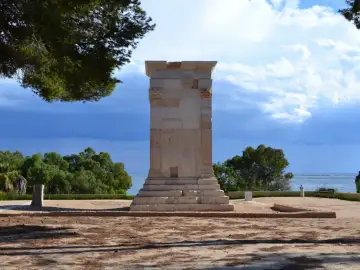 Monument · FREETorre de Sant JosepLa Vila Joiosa — Marina Baixa (Alacant)
Roman funerary monument built between 150 and 170 AD to honour Lucius Terentius Marcinus.
-
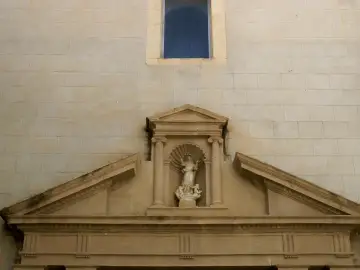 Church · FREEIglesia Parroquial de Nuestra Señora de la AsunciónLa Vila Joiosa — Marina Baixa (Alacant)
Fortress-church of the sixteenth century built during the reign of Felipe II.
-
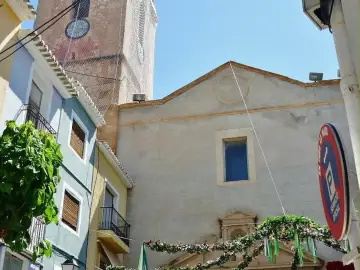 Monument · FREECasco Antiguo de La Vila JoiosaLa Vila Joiosa — Marina Baixa (Alacant)
Walled historic district adjacent to the Amadorio river, with coloured houses designed so sailors could see them from the sea.
- 🏛️MuseumMuseo del Chocolate ValorLa Vila Joiosa — Marina Baixa (Alacant)
Museum located in the Valor chocolate factory, operating since 1998.
- 🌳Garden · FREEEmbalse del AmadorioLa Vila Joiosa — Marina Baixa (Alacant)
Reservoir located five kilometres from the coast, the closest to the Mediterranean in Spain.
🏖️ Beaches
Frequently asked questions
Can you get from Alicante to Villajoyosa by tram?
Yes, TRAM line 1 connects the two towns directly, with a stop close to the old town and the seafront.
Is the Museo del Chocolate Valor ticketed?
The museum charges admission and includes a tasting area; it's worth booking ahead in peak season since capacity is limited.
Why are the houses in Villajoyosa colourful?
The most common explanation is that fishermen painted the façades with the same paint used on their boats, so they could recognise them from the sea on the way home.