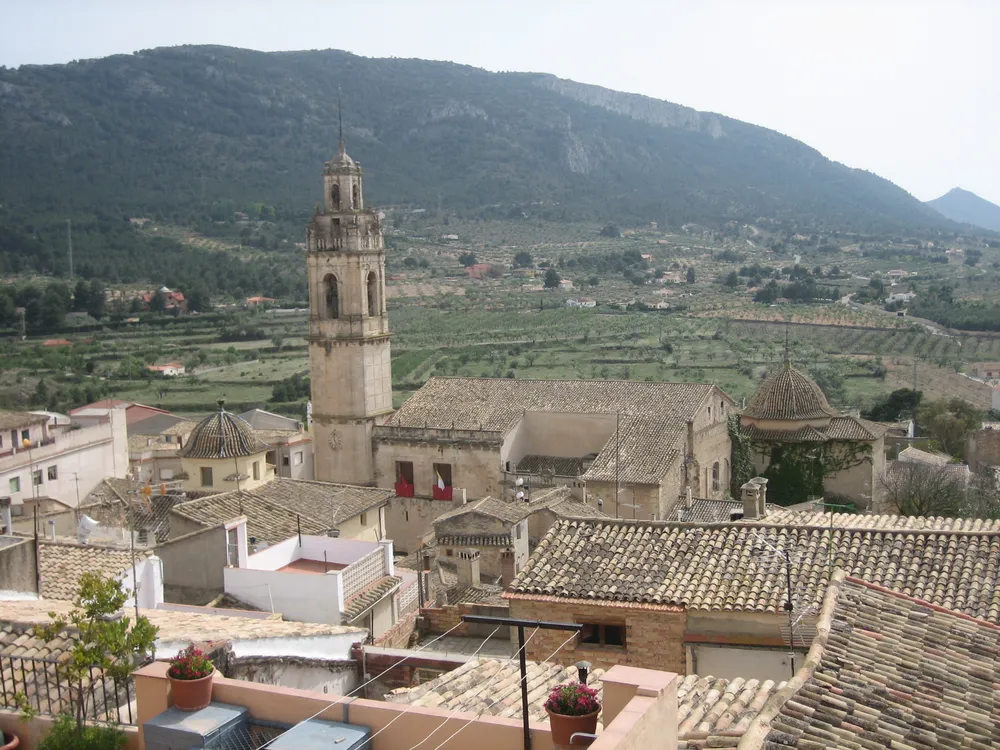
What to see in Biar
Biar is an inland village in the Alto Vinalopó district, ringed by mountains over 1,000 metres high and watched over by a castle that crowns the hill above the town. Home to just over 3,600 people, it keeps a tangle of cobbled streets, stone arches and stretches of the old defensive wall that spiral up from the main square toward the fortress. In 2025 Biar won the Pueblo Turístico del Año (Tourist Town of the Year) award, given by the Alicante newspaper Club Información to rural municipalities recognised for their work against depopulation.
The local economy pairs farming with an older industrial streak: Biar is one of the biggest olive oil producers in the province, with thousands of hectares of groves across its large municipal area, and it still keeps up traditional crafts such as pottery.
From border fortress to royal town
The castle of Biar was built in the mid-12th century on a hilltop at 750 metres to guard the frontier of Muslim territory against the Christian advance. The 1179 Treaty of Cazorla had already set the boundary between Aragon and Castile at Biar's mountain pass, and the 1244 Treaty of Almizra confirmed the split: Villena went to Castile and Biar to Aragon. King Jaime I laid siege to the castle for five months before it surrendered, an episode local historians treat as the closing chapter of the Christian conquest in the south of what is now the Comunitat Valenciana.
After the conquest, Biar became a royal town with a vote in the regional parliament in 1287, and it found itself back on the front line during the wars between Castile and Aragon in the 14th and 15th centuries. Its keep, square in plan and 19 metres tall, holds a rare Almohad-era vault thought to be among the oldest of its kind, and the whole complex was declared a historic-artistic monument in 1931. Since late 2024 it has been open with a new museum route through several rooms inside.
What to see in town
The old quarter is built around the Church of Nuestra Señora de la Asunción, raised between the 15th and 16th centuries and extended in the 17th with the Communion Chapel. On the edge of town, the Sanctuary of Nuestra Señora de Gracia has occupied its own hill since the 14th century and shows off a rococo facade finished in 1770; the town's patron saint has been venerated there since 1635. Along the bed of the Rambla de los Molinos stands the medieval aqueduct, a Gothic structure of pointed arches built to cross the ravine and carry irrigation water to the far bank.
Eight kilometres away sits Villena, the head town of the Alto Vinalopó district that Biar belongs to, which shared the border between the two medieval kingdoms with Biar for centuries.
🚆 How to get there from Alicante
Biar lies inland, around 39 kilometres from Alicante and close to Villena, the best-connected town in the district. There's no train station in Biar itself, so the most practical way in is by car, or by train followed by a short final leg on the road.
- By car: the A-31 motorway to Villena, then a local road into Biar, a trip of just over half an hour from Alicante.
- By train: regional and high-speed services run to Villena's station, followed by a short taxi or rental-car ride.
- By bus: regular services connect Alicante and Villena, with a change needed to complete the journey to Biar.
Compare all towns by transport →
-
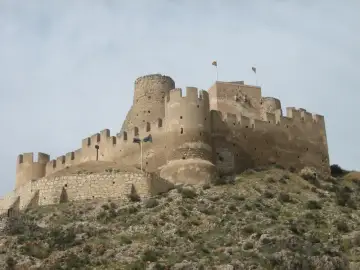 CastleCastillo de BiarBiar — Alt Vinalopó (Alacant)
Medieval fortress of Muslim origin located at 750 meters elevation.
-
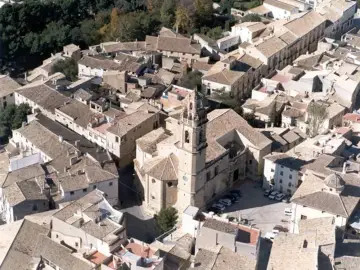 Church · FREEIglesia de Nuestra Señora de la AsunciónBiar — Alt Vinalopó (Alacant)
Renaissance temple built between the 15th and 16th centuries with Baroque additions from the 17th.
-
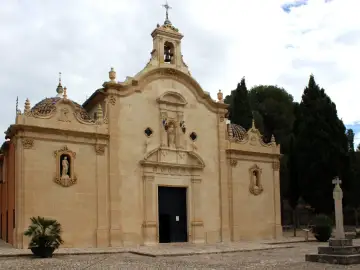 Church · FREESantuario de Nuestra Señora de GraciaBiar — Alt Vinalopó (Alacant)
Baroque sanctuary from the 18th century located in Sierra Fontanella.
-
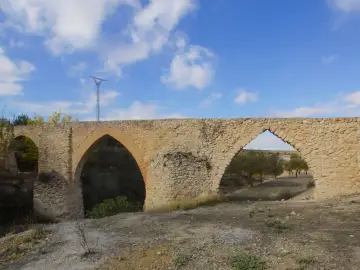 Monument · FREEAcueducto MedievalBiar — Alt Vinalopó (Alacant)
70-meter structure built in 1490 to manage irrigation water and prevent flooding.
-
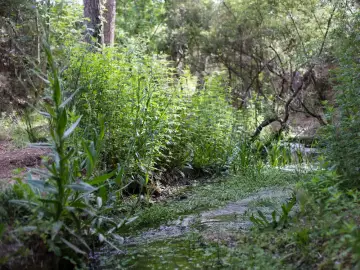 Beach & nature · FREEFont de la Coveta (Nacimiento del Vinalopó)Biar — Serra de Mariola
Official source of the Vinalopó River among poplars on the Serra de Mariola slope, a perennial spring at 790 metres where cold, clear,…
Frequently asked questions
Is Biar castle free to visit?
No, there's a small entry fee, though young children go free; since late 2024 the visit includes a museum route through several rooms inside.
How much time do you need to visit Biar?
Two to three hours cover the old quarter and a relaxed climb up to the castle. Add the Sanctuary of Gracia or the medieval aqueduct and it's worth setting aside half a day.
Is Biar good for a family visit with children?
Yes, the castle's museum route uses panels and staged recreations aimed at keeping younger visitors engaged, and the village itself is small and easy to walk around.