What to see in Calp
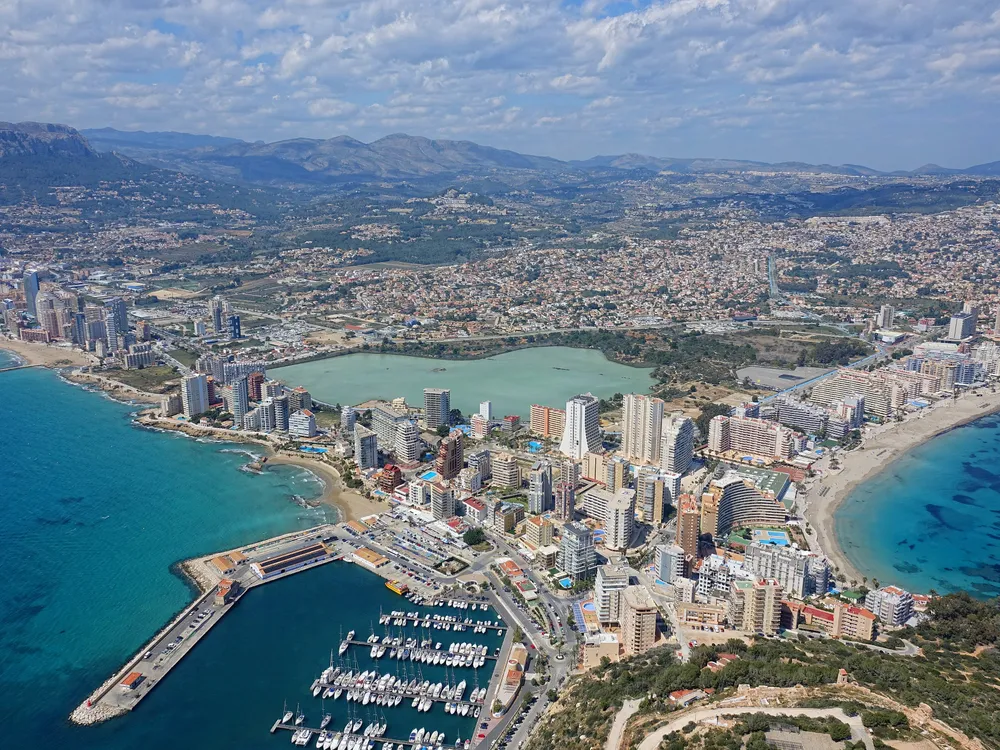
Calpe's skyline is dominated by the Peñón de Ifach, a limestone outcrop 332 metres high that juts into the sea and, according to geologists, formed when a fragment broke away from the neighbouring Sierra de Oltá. Declared a natural park in 1987, the rock is home to the Silene de Ifach, an endemic plant listed as Critically Endangered by the IUCN, and its summit has yielded traces of an Iberian settlement from the 4th century BC. Calpe's bay, enclosed between the Cap de la Fustera and Cap de Toix headlands, has served as a naturally sheltered anchorage since antiquity.
From Roman salt to fishing
The Romans worked the area for fish-salting, with facilities such as the Baños de la Reina, where the channels that once brought in seawater and the compartments used to keep fish alive before processing are still visible. After the Christian conquest in the 13th century, Calpe organised itself around a walled centre defended against Barbary raids; part of those medieval walls survive in the old town. The threat was real: in 1637, a corsair raid captured 315 residents, including women and children, who were taken to Algiers and held captive for several years. Attacks like that explain why many coastal settlements in the district, not just Calpe, were built back from the shore for centuries.
From early tourism to today
Calpe's traditional economy combined almonds, raisins, carob, fishing and salt, until tourism began to appear as early as the 1930s, when the parador hotel opened and the writer Ernest Hemingway spent time in the town. Today close to half of the registered population, a little over 27,000 people, is of foreign origin. The Iglesia Parroquial de la Virgen de las Nieves and the Torre de la Peça are two old-town landmarks that survive alongside the more recent tourism industry, and the October Moros y Cristianos festival, honouring the Cristo del Sudor, still anchors much of the town's social calendar. Calpe also holds its own Fallas festival, with monuments burned in mid-March each year since 1983.
Calpe's coastline mixes sandy beaches, such as Levante, with rocky coves of clear water on the stretch toward Moraira, a contrast between built-up shore and rugged coastline that shows well from any of the paths circling the rock. Both stretches sit within easy reach of the old town, making it possible to combine a swim with a walk through the historic centre on the same day.
🚆 How to get there from Alicante
Calpe lies around 63 kilometres from Alicante, in the heart of the Marina Alta district. The metropolitan TRAM reaches the town directly on line 9, which connects at Benidorm with the line from Alicante; the combined journey takes around an hour and a half. By car, the AP-7 motorway covers the distance in a little under an hour under normal traffic conditions. Regular buses also run between Alicante and Calpe throughout the day, a direct alternative for anyone who would rather avoid changing. The municipality has no train station, so the tram and the bus remain the two main alternatives to driving.
Compare all towns by transport →
-
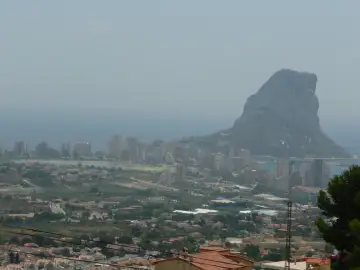 ViewpointPeñón de IfachCalp — Marina Alta (Alacant)
A 332‑metre calcareous massif that rises from the Mediterranean, linked to land by a rocky isthmus.
-
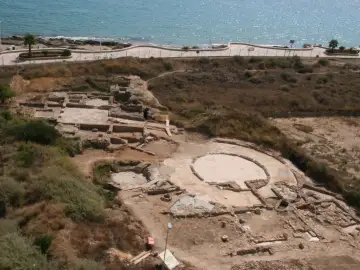 Beach & nature · FREEBaños de la ReinaCalp — Marina Alta (Alacant)
Roman-era pool and canal complex by the coast. Archaeological remains of Roman occupation where visitors can bathe among the ruins and…
-
 Church · FREEIglesia Parroquial de la Virgen de las NievesCalp — Marina Alta (Alacant)
15th‑century Gothic‑Mudéjar temple, the only one of its style in the Valencian region.
- 🗿Monument · FREEMurallas Medievales del Casco AntiguoCalp — Marina Alta (Alacant)
Fortifications from the 15th century erected to defend against Mediterranean pirate attacks.
- 🗿MonumentTorre de la PeçaCalp — Marina Alta (Alacant)
In the barrio mudéjar of El Arrabal stands a defensive tower that was part of the medieval fortifications.
Frequently asked questions
Can you climb the Peñón de Ifach?
Yes, a signposted trail climbs to a viewpoint near the summit; the final stretch runs through a tunnel cut into the rock and requires reasonable fitness.
Does the tram reach Calpe?
Yes, TRAM line 9 stops in the town and connects at Benidorm with the rest of the network toward Alicante.
What's the best time of year to visit Calpe?
Spring and autumn bring comfortable temperatures for walking in the natural park, while summer draws the largest crowds to the beaches.