What to see in Xàbia
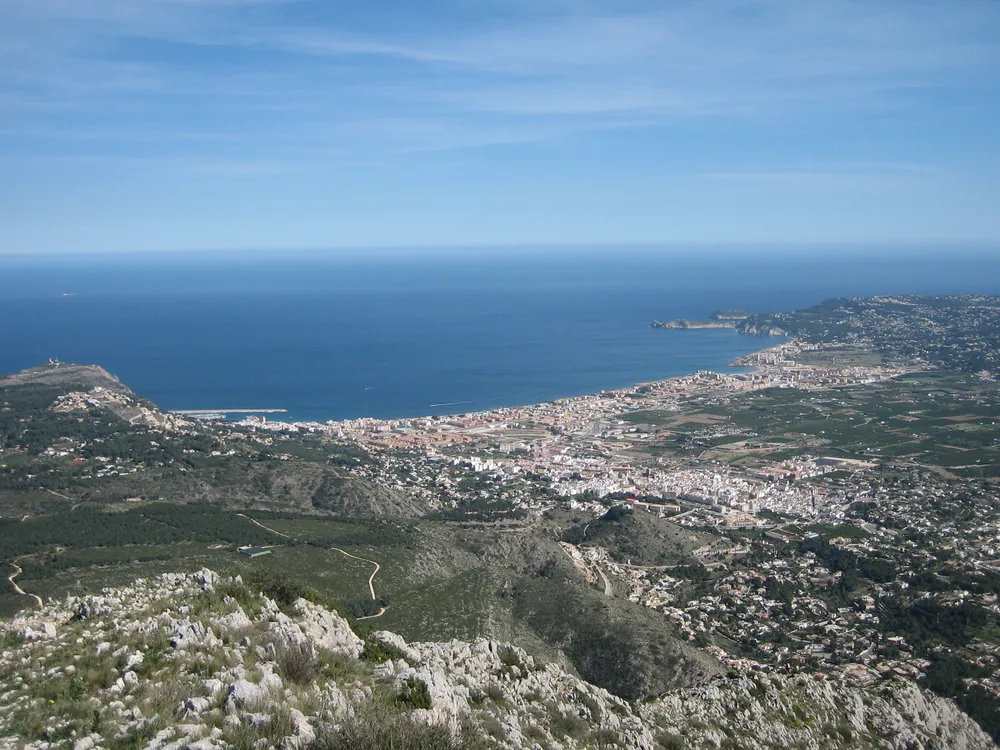
Jávea stretches along a section of coast between two headlands, Cap de Sant Antoni and Cap de la Nau, at the northern tip of the Marina Alta district. The municipality splits its everyday life across three distinct areas: the fishing harbour of Aduanas del Mar, the old town built two kilometres inland from local sandstone, and the Arenal district next to the sandy beach. That separation between village and shore has a historical reason: for centuries the population lived away from the water to stay safe from Barbary pirate raids, coming down to the port only to fish. The municipality now has just over 30,000 residents and around 25 kilometres of coastline, one of the longest stretches in the Marina Alta district.
History
Traces of Andalusi-era farming survive around Jávea, but the municipality itself dates from the Christian conquest of 1244, when James I of Aragón absorbed the district after Denia surrendered. It was granted the status of a self-governing town in 1397. The Church of San Bartolomé, begun in 1513 in Isabelline Gothic style, was built as a fortress-church, with thick walls and few openings meant to double as a refuge during raids; it has been a listed Bien de Interés Cultural since 1931. Through the 19th century and into the early 20th, the local economy centred on exporting moscatel raisins, sun-dried on dry-stone terraces still visible inland, alongside the quarrying of the local sandstone, halted in 1972 to protect the coastline. That shift from farming and quarrying to tourism is still visible today in the mix of restored townhouses and newer development along the coast.
What to see
Cap de Sant Antoni and neighbouring Cap de la Nau, with its viewpoint, give the widest views over the Mediterranean and the Montgó massif, declared a natural park in 1987 and shared with neighbouring Denia. The coast alternates sandy beaches, such as the Arenal, with rocky coves of clear water; Cala de la Granadella, enclosed by pine-covered cliffs, is the most photographed of them all. Near the harbour, the remains of a Roman bath complex known as the Baños de la Reina survive, and the municipal market, at the edge of the old town, is still where locals buy fresh fish and produce from the surrounding market gardens each morning.
Every 24 June, the Fogueres de Sant Joan mark the start of summer with bonfires in each neighbourhood, and in the third week of July Jávea holds its Moros y Cristianos festival, closing the month with a Living Chess tournament recognised as a national tourist-interest event.
🚆 How to get there from Alicante
Jávea lies a little over 90 kilometres from Alicante, at the northern edge of the province. The most direct route by car is the AP-7 motorway to the Gata de Gorgos or Benissa exit, then a regional road down to the coast; the drive usually takes around an hour and a half. The metropolitan TRAM doesn't reach the town itself, but its line to Denia stops at Gata de Gorgos, a short bus or taxi ride away. Direct bus services also run from Alicante's bus station without a change, though they take longer than driving. Renting a car is the most flexible option for reaching the smaller coves further from the town centre.
Compare all towns by transport →
- 🗿Monument · FREEIglesia-Fortaleza de San BartoloméXàbia — casco antiguo, Marina Alta
San Bartolomé Fortress (1513) combines the defensive function of the Reconquista with Gothic architecture.
-
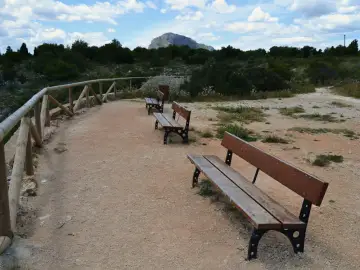 Viewpoint · FREEMirador del Cap de Sant AntoniXàbia — Cap de Sant Antoni, Marina Alta
Natural reserve since 1993, Cap de Sant Antoni shelters a lighthouse in operation since 1855.
-
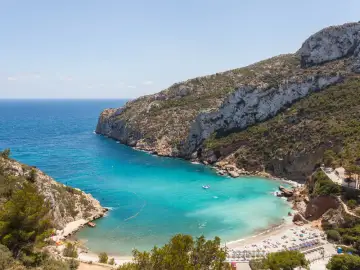 Beach & nature · FREECala de la GranadellaXàbia — extremo sur, Marina Alta
Blue Flag since 1989, Cala de la Granadella was chosen Spain's best beach two consecutive years.
- 🏘️Town · FREECasco Antiguo de XàbiaXàbia — centro histórico, Marina Alta
Jávea's old town preserves the Gothic architecture of seven centuries.
-
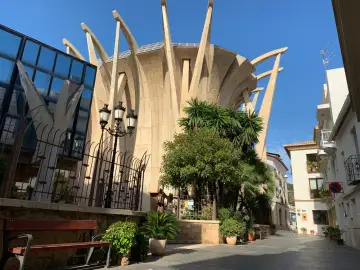 Church · FREEIglesia de Nuestra Señora de LoretoBarrio marinero de Duanes de la Mar (puerto), Xàbia
Opened in 1967 in the seafaring neighborhood of Duanes de la Mar, this avant-garde church has a ceiling that resembles the inverted hull of…
-
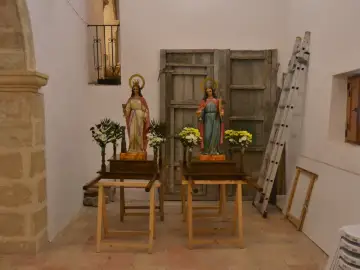 Church · FREEErmita de Santa Llúcia i Santa BàrbaraAlto de Santa Llúcia, colina al noroeste del casco urbano, Xàbia
At 163 meters of height, the Santa Llúcia hermitage crowns the highest point of Jávea.
-
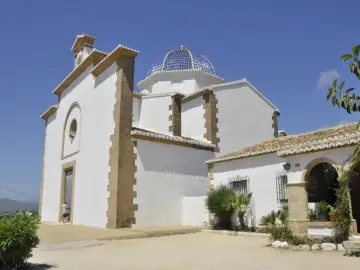 Church · FREEErmita del Calvario (de Jesús Nazareno)Calle Finisterre, sobre una loma a la entrada del pueblo (carretera CV-736 desde Dénia), Xàbia
Built in 1770 and reformed between 1849-1857, the Calvary Hermitage raises a dome on a Greek base covered in glazed blue tiles.
-
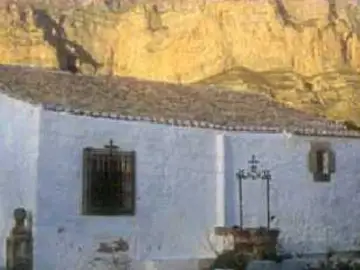 Church · FREEErmita del PópulCamino de la Ermita del Pópul, en el campo a las afueras del casco urbano, Xàbia
Hermitage of the Conquest from the 14th century, the Pópul holds an interior with ogival arch that evokes the Reconquista.
-
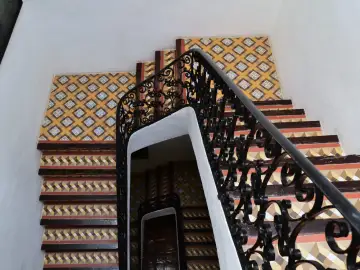 Museum · FREEMuseu Arqueològic i Etnogràfic Soler BlascoXàbia — casco antiguo, Marina Alta
Housed in the palace house of Antoni Banyuls, the Soler Blasco Museum displays 13 rooms of collections from the Neolithic onwards.
- 🏔️Viewpoint · FREEMirador del Cap de la NauXàbia — casco antiguo, Marina Alta
Set over 100 metres above the cliff, the Mirador del Cap de la Nau houses a lighthouse with Mediterranean views.
-
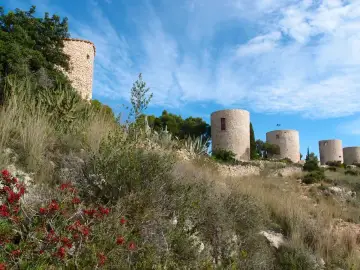 Monument · FREEEls Molins de la PlanaXàbia — casco antiguo, Marina Alta
Eleven stone windmills stand on the Planas, built between the 14th and 18th centuries.
- 🗿Monument · FREEBanys de la ReinaXàbia — casco antiguo, Marina Alta
Banys de la Reina were not royal baths but a 1st-century Roman factory producing garum.
-
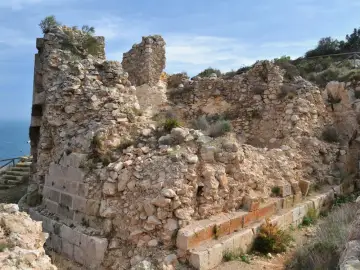 Castle · FREECastell de la GranadellaXàbia — casco antiguo, Marina Alta
An 18th-century coastal battery declared of Cultural Interest in 1996, the Castell de la Granadella defended Jávea with a garrison of three…
-
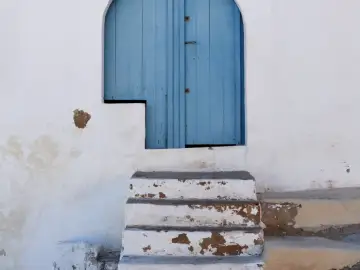 Beach & nature · FREECala del Portitxol (Cala de la Barraca)Xàbia — casco antiguo, Marina Alta
At 900 metres of shale between the cliffs of Cap Negre and Cap Prim, Cala Barraca offers views toward Portitxol.
- 🗿Monument · FREEMercat Municipal d'AbastosXàbia — casco antiguo, Marina Alta
Built in 1946 over the ruins of the convent of Discalced Augustinian Sisters (destroyed in the Civil War), the Mercat Municipal spans 800…
-
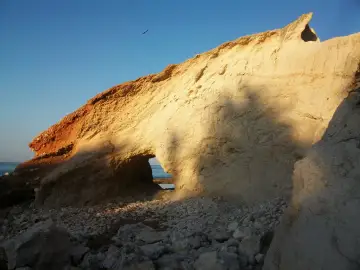 Beach & nature · FREECala BlancaXàbia — casco antiguo, Marina Alta
Cala Blanca takes its name from the pale rocks that define this 80-metre virgin cove.
-
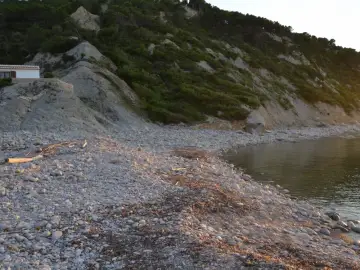 Beach & nature · FREECala SardineraXàbia — bajo el Cap Prim, entre Cala Blanca y la Barraca
Cala Sardinera, 200 metres of shale, takes its name from the sardine nets fishermen lowered at dawn and dusk.
- 🌿Beach & nature · FREECala En CalóXàbia — Marina Alta (Alacant)
A pristine 25-metre cove in Xàbia reachable only by kayak or swim from Granadella.
🏖️ Beaches
- 🌿Beach & nature · FREEPlaya del Arenal (Xàbia)Xàbia
Xàbia's main town beach: nearly two kilometres of fine sand and calm water facing the marina, with a promenade, beach bars and a gentle…
- 🌿Beach & nature · FREECala de la Granadella (Xàbia)Xàbia
One of the Costa Blanca's most photographed coves, set inside a protected stretch of pines and cliffs: crystal-clear water, pebbles rather…
Frequently asked questions
How long does it take to reach Jávea from Alicante?
About an hour and a half by car via the AP-7; by public transport it takes longer, since it usually means combining the tram or a bus with a second connection to the coast.
Is Jávea a good choice with children?
Yes, especially the Arenal beach, with sand and shallow water; the rocky coves to the south, such as Granadella, suit older children who already swim well.
What's the best time of year to visit Jávea?
Spring and autumn bring mild weather and smaller crowds than summer, when the population multiplies and the smaller coves fill up early in the day.