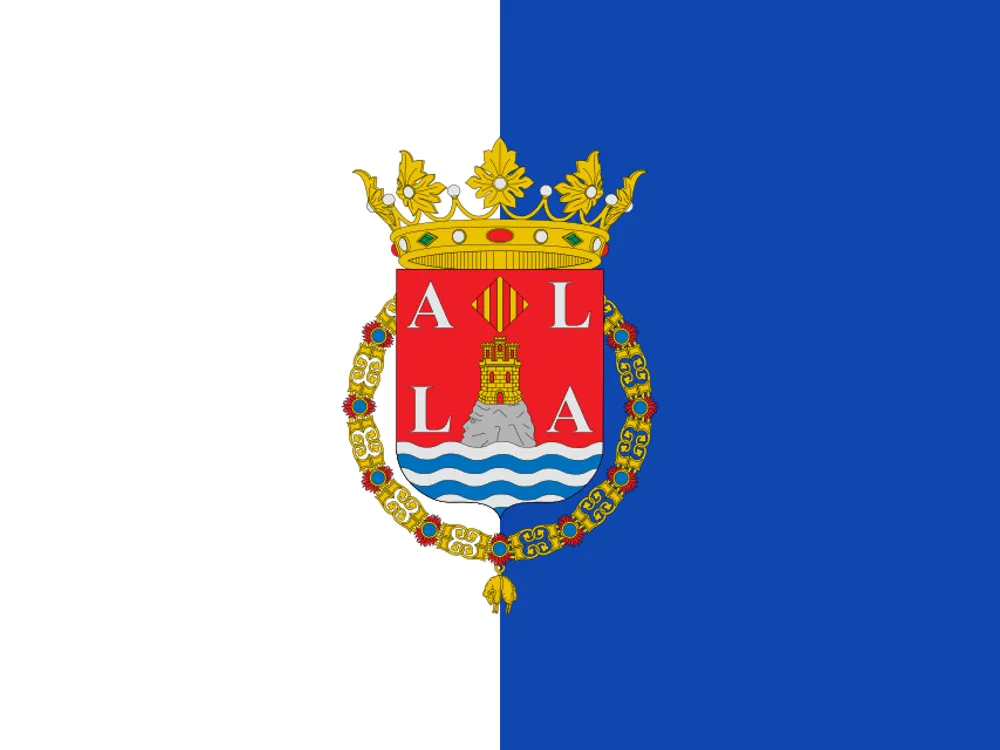
What to see in Alacant
Alicante is the provincial capital and the gateway to the Costa Blanca, built beside a harbour that ranked for centuries among the busiest on Spain's Mediterranean coast. The city spreads out beneath Mount Benacantil, topped by the Castillo de Santa Bárbara, and pairs a compact historic centre with a seafront that remains the natural place to walk, meet, or just look at the water.
From Akra Leuké to provincial capital
The earliest documented settlement in the area was the Greek Akra Leuké; the Romans later founded Lucentum, on what is now the Tossal de Manises, around 201 BC. Under Andalusi rule the city was known as Medina Laqant, and it stayed that way until Alfonso X of Castile took it in 1248; it passed to the Crown of Aragón in 1296. Ferdinand the Catholic granted it city status on 26 July 1490. That long history left visible layers across the street plan: the Moorish-era grid of the Santa Cruz quarter, with its whitewashed houses and narrow stairways, and buildings such as the Basílica de Santa María, built in Gothic style on the site of the former main mosque.
The promenade and the market
The Explanada de España, the tree-lined promenade separating the centre from the port, owes its best-known feature to a pavement of roughly 7.5 million marble tiles in red, cream and black, laid in 1959 in a wave-like pattern; the marble came from quarries in Novelda and other towns in the province's interior. A short walk away, the Mercado Central, opened in 1921 beneath a modernist dome, holds close to three hundred stalls and is one of the largest municipal markets in Spain by floor area.
Museums and festivals
The MARQ, opened in its current building in 2002, won the European Museum of the Year award in 2004 for the way it presents the province's archaeology without relying on the traditional glass-case format. Every June, the city devotes a full week to the Hogueras de San Juan, with papier-mâché monuments burned on the night of the 24th, a festival recognised as being of International Tourist Interest. Local food centres largely on rice, cooked in very different ways depending on the neighbourhood and the occasion, from arroz a banda to arroz del senyoret.
Visitors with limited time can follow a walking route linking the castle, the old town and the seafront; our three-day Alicante guide arranges those stops by area of the city.
🚆 How to get there from Alicante
Alicante is the province's main transport hub. Alicante-Elche airport, one of the busiest in Spain, sits a short distance south of the city and connects to the centre by bus and by the TRAM line linking the airport with Luceros station. By road, the AP-7 and A-31 motorways converge on the city from the north, south and the interior of the province. The train station, with high-speed services to Madrid and other cities, and the bus station handle connections with the rest of the Comunitat Valenciana. Within the city, the historic centre and the seafront are easy to cover on foot.
Compare all towns by transport →
-
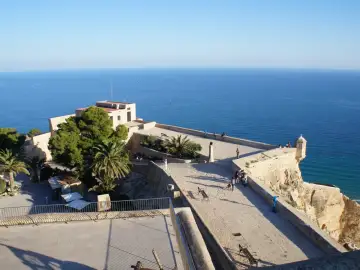 Castle · FREECastillo de Santa BárbaraAlacant — Monte Benacantil
Fortress from the 9th century with three sections that tell the story from the Muslim period through the Renaissance.
-
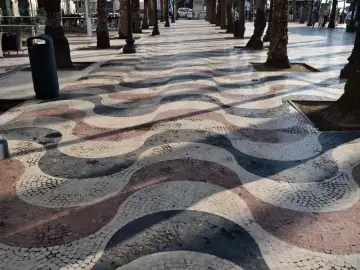 Monument · FREEExplanada de EspañaAlacant — frente al puerto
Promenade of almost 600 meters with 6.6 million marble tiles forming an undulating mosaic in three colors: Alicante red, ivory and black.
-
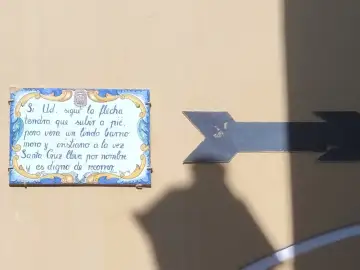 Town · FREEBarrio de Santa CruzAlacant — casco antiguo
Neighborhood founded in the 13th century on the ruins of a mosque, with whitewashed houses and flower pots in steep alleys.
-
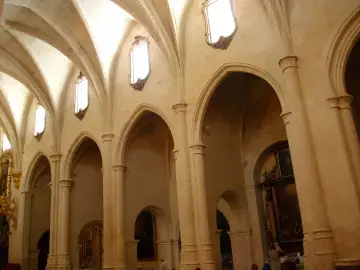 Monument · FREEBasílica de Santa MaríaAlacant — casco antiguo
Alicante's oldest active church, built in Valencian Gothic between the 14th and 16th centuries on the remains of a mosque.
-
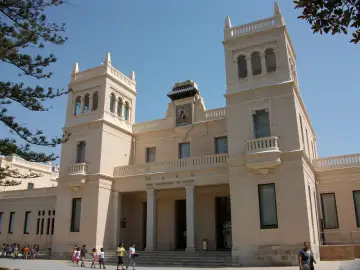 MuseumMARQ — Museu Arqueològic Provincial d'AlacantAlacant — casco antiguo
Archaeological museum founded in 1932 with exhibitions spanning from Prehistory to the modern era.
-
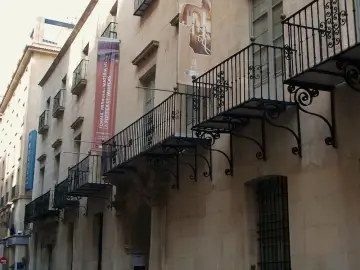 Museum · FREEMUBAG — Museu de Belles Arts GravinaAlacant — casco antiguo
Museum of painting and sculpture housed in the Palacio del Conde de Lumiares, a baroque building constructed between 1748 and 1808.
-
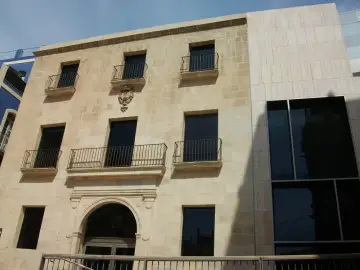 Museum · FREEMACA — Museu d'Art Contemporani d'AlacantAlacant — casco antiguo
Museum created in 1976 and reopened in 2011 after renovation. The historic structure Casa de la Asegurada, built in 1685, integrates…
-
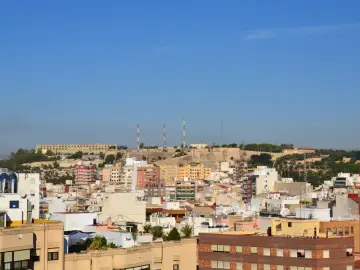 Castle · FREECastell de Sant FerranAlacant — casco antiguo
Fortress built between 1808 and 1812 by engineer Pablo Ordovas during the War of Independence, which it never saw combat.
-
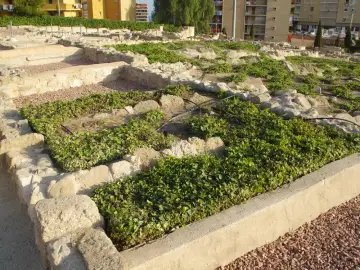 MonumentLucentum (Tossal de Manises)Alacant — casco antiguo
Roman city on a 38-metre hill with origins dating to the 5th–4th century BC, reaching its peak under Augustus when it achieved municipium…
-
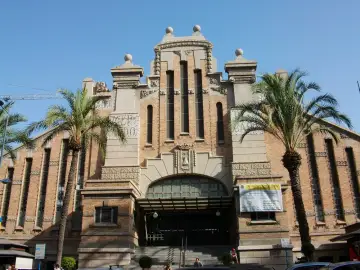 Monument · FREEMercat Central d'AlacantAlacant — casco antiguo
Modernist market of 11,000 m² designed in 1915 and completed in 1921 with an exposed brick façade.
-
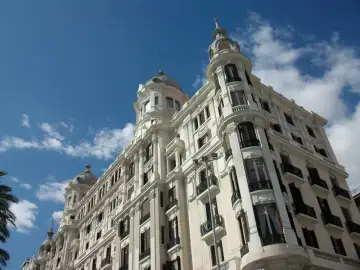 Monument · FREECasa CarbonellAlacant — casco antiguo
Residential mansion built between 1922 and 1925 on the Explanada de España, commissioned by textile industrialist Enrique Carbonell.
-
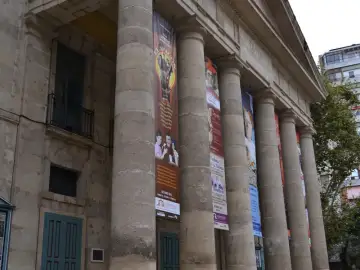 Cool venueTeatre Principal d'AlacantAlacant — casco antiguo
Neoclassical theatre inaugurated in 1847 with a capacity of 1,072 spectators.
- 🌳Garden · FREEParc d'El PalmeralAlacant — casco antiguo
11-hectare park opened in 1997 with over 2,000 palm trees of various species.
- 🏔️Viewpoint · FREEParc de l'EretaAlacant — casco antiguo
Terraced park designed by Jean Nouvel and Carme Fiol in the late 1990s, connecting the old quarter to Santa Bárbara Castle.
-
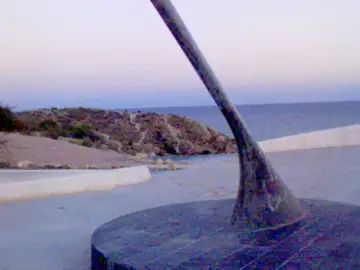 Beach & nature · FREECala Cantalar (Cap de l'Horta)Alacant — casco antiguo
Cove of approximately 100 metres at the foot of Cabo de la Huerta cliffs, within a protected natural space.
-
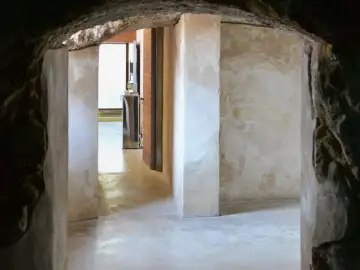 Monument · FREEPozos de Garrigós (Refugio Antiaéreo nº 13 - Museo de Aguas)Alacant — vessant del Benacantil, vora el Parc de l'Ereta
Medieval cisterns with an 800,000-litre capacity that collected rainwater from Benacantil until 1898.
🏖️ Beaches
- 🌿Beach & nature · FREEPlaya del Postiguet (Alicante)Alacant
Alicante city's own beach, right against downtown and beneath Santa Bárbara castle: golden sand, a palm-lined promenade and every service a…
- 🌿Beach & nature · FREEPlaya de San Juan (Alicante)Alacant
Alicante city's longest stretch of sand — over six kilometres running north into El Campello: wide, well equipped and reachable by tram,…
- 🌿Beach & nature · FREECala Cantalar (Alicante)Alacant
A small, rocky cove on Cabo de las Huertas, between the Albufereta and San Juan beaches: reached on foot along a signposted path, with a…
🎟️ Upcoming events in Alacant
-
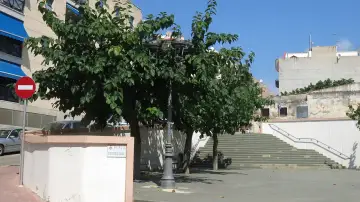 Presentation of the novel 'Fulgencio Malayerba'L’ESCORXADORFREE
-
 Infinite Inspiration: Orquesta Sinfónica Ciudad de ElcheGran TeatroFREE
-
 StelliumL’ESCORXADORFREE
-
 With Dad, with MumL’ESCORXADORFREE
-
 RUCS: The Warlock's CurseSala La TramoiaFREE
-
 19:00Presentation of the book “Paseando por los callejones del Tánger Internacional” by Yhtimad Bouziane and Juan Ramón Roca. With the Legación Americana de TángerCasa MediterráneoFREE
-
 Rocky Horror Picture ShowL'EscorxadorFREE
-
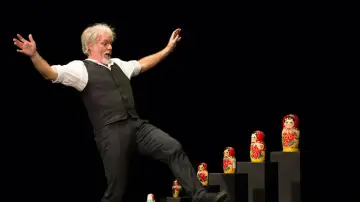 Con Viva Voce: The Story of Ivan and the WolfSala La TramoiaFREE
-
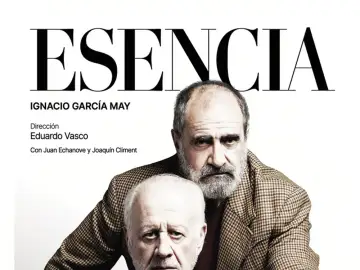 Esencia. With Juan Echanove and Joaquín ClimentGran TeatroFREE
-
 Vida-Espera-Ausencia-Tiempo-MuerteL’ESCORXADORFREE
-
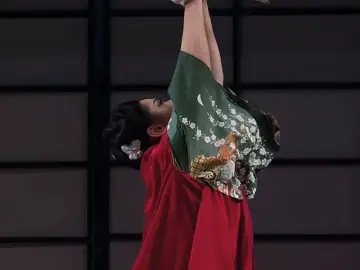 Madame Butterfly, by G. PuccinGran TeatroFREE
-
 Prensa Luego ExistaL’ESCORXADORFREE
-
 Let me tell you a story. Oral storytelling workshopL’ESCORXADORFREE
-
 Dani Fez. We're NutsGran TeatroFREE
-
 Opening of the 14th Elche International Fantastic Film Festival - FANTAELXL’ESCORXADORFREE
-
 Parallel Madness by Gabriela García and Paco MirGran TeatroFREE
-
 Tulsa in concertL’ESCORXADORFREE
-
 El Mago Invisible. Nothing is as it seemsGran TeatroFREE
-
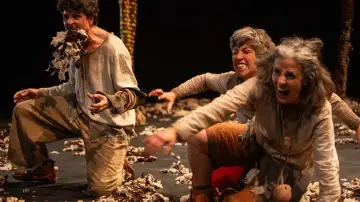 In a Corner of the WorldSala La TramoiaFREE
-
 The Best Tribute to Sabina. MALAS COMPAÑÍASGran TeatroFREE
-
 James. Rhodes ManiaGran TeatroFREE
-
 Danzad, malditosL’ESCORXADORFREE
-
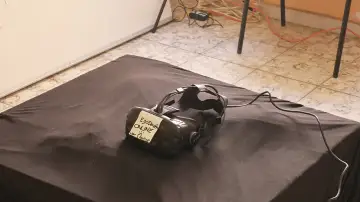 Sensory labLa Tramoia HallFREE
-
 Maléfiga. BOMBA TEATROGran TeatroFREE
-
 The Cinema of Sam Peckinpah. Film WorkshopL’ESCORXADORFREE
-
 FugaL’ESCORXADORFREE
-
 Julio Iglesias Jr. ExperienceGran TeatroFREE
-
 Bestseller. The Play Lorca Never WroteGran TeatroFREE
-
 A Doll's HouseL’ESCORXADORFREE
-
 Stars Gala. International Ballet StarsGran TeatroFREE
-
 The Cinema of David Lynch. Film WorkshopL’ESCORXADORFREE
-
 Miguel Campello. 25-Year Tour of Songs and SomersaultsGran TeatroFREE
-
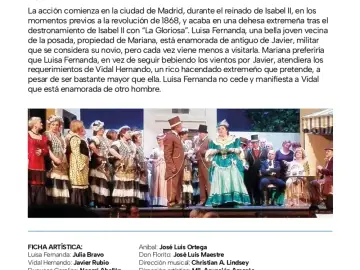 Luisa FernandaGran TeatroFREE
-
 Little Red Riding Hood, or Who Is That Cake ForSala La TramoiaFREE
-
 Pajamas for SixGran TeatroFREE
-
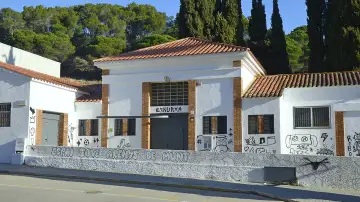 Toldos y Verdes in concertL’ESCORXADORFREE
-
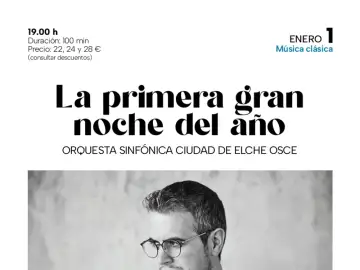 First Great Night of the Year: Orquesta Sinfónica Ciudad de Elche OSCEGran TeatroFREE
-
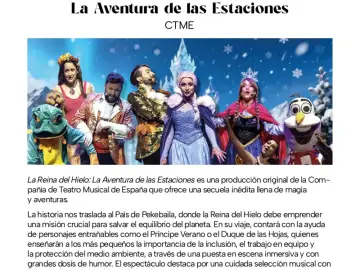 The Ice Queen: The Adventure of the SeasonsGran TeatroFREE
-
 Maestros de la magiaGran TeatroFREE
-
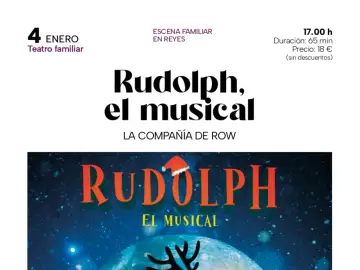 Rudolph, the MusicalGran TeatroFREE
-
 bROTHERS iN bAND. The Very Best of dIRE sTRAITSGran TeatroFREE
-
 Winter circusL’ESCORXADORFREE
-
 DINOCOLa Tramoia HallFREE
-
 Canadá. PRODUCCIONES 099Gran TeatroFREE
-
 Art LabSala La TramoiaFREE
-
 Story of an Abandoned Doll (Alfonso Sastre)La Tramoia HallFREE
-
 53 Sundays by Cesc GayGran TeatroFREE
-
 How to Write a Bolero, the MusicalGran TeatroFREE
-
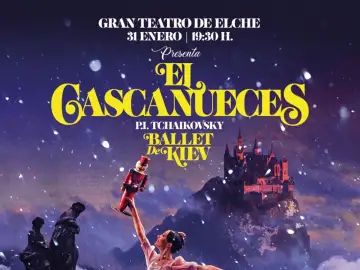 El Cascanueces, de Viktor IshchukGran TeatroFREE
-
 EKHOSala La Tramoia
-
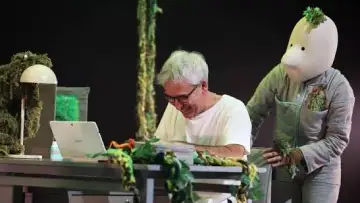 KIMU, everyone's homeLa Tramoia HallFREE
-
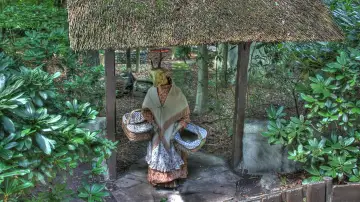 The Seven Young GoatsSala La TramoiaFREE
-
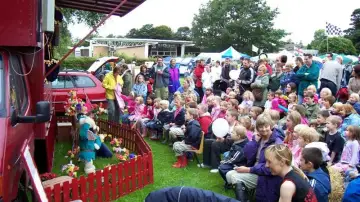 Colour LabSala La TramoiaFREE
-
 Sensory LabSala La TramoiaFREE
-
 With All My HeartSala La TramoiaFREE
Frequently asked questions
How much time do you need to see central Alicante?
A full day covers the castle, the old town and the Explanada at a comfortable pace; two or three days leave room for a museum visit and a trip to a nearby beach as well.
Can you reach Castillo de Santa Bárbara without a car?
Yes, a lift runs up from Postiguet beach to the castle, and there are also walking paths up Mount Benacantil for those who prefer to climb on foot.
Which museums in Alicante are free to enter?
Several of the city's main museums, including the contemporary art museum, offer free admission; it's worth checking each one individually since conditions can vary by exhibition.